Uganda Gorilla and Chimpanzee Trekking Rules (2026 Update)
Introduction
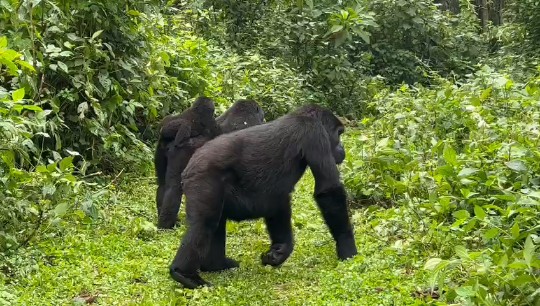
Uganda, the “Pearl of Africa,” boasts world-class opportunities for trekking endangered mountain gorillas and chimpanzees. Uganda Wildlife Authority (UWA)’s 2026 regulations promote sustainable tourism, trekker safety, and primate protection—mandatory compliance supports vital conservation.
Pre-Trekking Requirements (Valid to June 30, 2026)
Mandatory Permits (Through June 30, 2026)
Uganda Permits Mandatory Permits: All trekkers must obtain permits in advance through authorized tour operators only licensed by Uganda Tourism Board. Gorilla Permits (2026): $800 USD per person for foreign non-residents, $700 for foreign residents, and UGX 300,000 for East African residents, as per the year 2026 June.
Chimpanzee Permits: Vary by location:
| Location | Foreign Non-Resident | Foreign Resident | East African |
|---|---|---|---|
| Kibale NP | $250 USD | $200 USD | UGX 150,000 |
| Kyambura/Budongo | $100 USD | $80 USD | Varies |
- Booking: Permits should be booked at least 6-12 months in advance, especially for peak seasons (June-September, December-February).
- Non-Transferable: Permits are person-specific and cannot be transferred.
II. Trekking Day Regulations
Group Composition
- Gorilla Trekking: Maximum 8 visitors per habituated gorilla group per day.
- Chimpanzee Trekking: Maximum 8 visitors in Kibale; 6 in Kyambura; 8 in Budongo.
- Assignment: Groups are assigned based on fitness level and preference where possible.
Time with Primates
- Gorillas: Strict one-hour viewing time once the gorillas are located.
- Chimpanzees: Typically, one hour with habituated communities.
III. Conduct During Trekking & Viewing
Primate Interaction Rules
- Distance: Maintain a minimum distance of 7 meters (21 feet) from gorillas and 8 meters from chimpanzees at all times.
- If Approached: If a primate approach, slowly back away. Do not make sudden movements.
- Direct Eye Contact: Avoid prolonged direct eye contact with gorillas, as this can be perceived as aggressive.
- Do Not Touch: Never attempt to touch the primates.
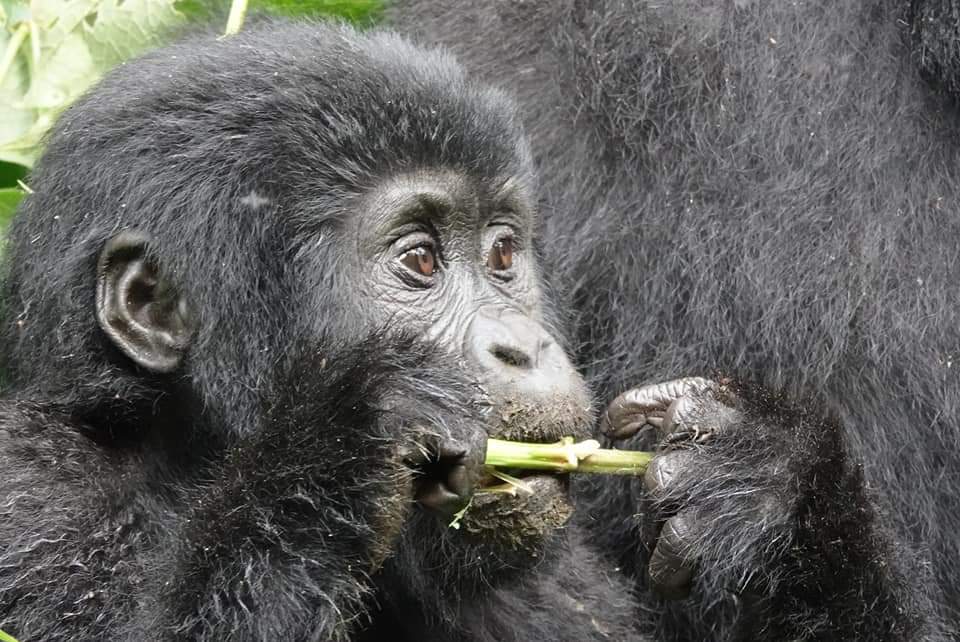
- Feeding Prohibited: Feeding primates is strictly forbidden.
- Remain Calm: Speak in hushed tones. Do not raise your voice or make loud noises.
Personal Conduct
- Follow Guides: Always follow the instructions of park rangers and guides.
- Stay with Group: Remain with your assigned group at all times.
- If Unwell: If you must cough or sneeze, turn away from the primates and cover your mouth with a mask or elbow. Masks are recommended and may be mandatory if deemed necessary by UWA.
- No Smoking, Eating, or Drinking: These activities are prohibited within 200 meters of the primates.
- Waste: Carry out all trash. Human waste should be buried 30cm deep at least 30 meters from trails and water sources.
Photography & Equipment
- Flash Photography: The use of flash is prohibited.
- Camera Noise: Silence camera shutter sounds and phone notifications.
- Tripods/Monopods: Generally allowed but must be set up without disturbing primates or vegetation.
- Drones: Strictly prohibited without special permit from UWA (rarely granted).
IV. Health & Biosecurity Protocols (2025 Updates)
Given the genetic similarity between humans and great apes, strict biosecurity measures are enforced:
- Mask Wearing: Masks may be required based on current disease risk assessments. Visitors should bring high-quality masks (N95/KN95 or surgical).
- Disinfection: All visitors must disinfect shoes at designated points before trekking.
- If Sick: Any visitor showing signs of illness will be denied participation without refund.
- Respiratory Etiquette: Hand sanitizer use is mandatory before and after trekking.
V. Environmental & Conservation Rules
- Stay on Trails: To minimize habitat disruption and erosion.
- No Littering: Fines apply for littering (up to $150 USD).
- No Flora/Fauna Removal: Do not remove plants, insects, or any natural objects.
- Minimal Impact: Use biodegradable products when possible.
VI. Prohibited Items & Attire
What Not to Bring
- Weapons of any kind
- Plastic bags (banned in Uganda since 2018)
- Single-use plastics (water bottles are allowed but must be carried out)
- Pets
- Musical instruments or loud devices
- Recreational drugs
Dress Code
- Clothing: Wear long-sleeved shirts and long pants in neutral colors (khaki, green, beige). Avoid bright colors (red, white, blue) and camouflage patterns (reserved for military).
- Footwear: Waterproof hiking boots with good ankle support.
- Rain Gear: Pack a lightweight rain jacket (Uganda’s forests are wet).
- Gardening Gloves: Recommended for gripping vegetation.
- Gaiters: Optional but helpful against ants and mud.
VII. Penalties for Non-Compliance
Violations of these regulations may result in:
- Immediate expulsion from the park
- Revocation of trekking permit without refund
- Fines ranging from $200 to $5,000 USD depending on severity
- Legal prosecution for serious offenses (e.g., feeding, approaching too close, causing harm)
VIII. Ethical Considerations & Community Impact
- Porters: Hiring local porters (approximately $20-25 USD) is encouraged to support community livelihoods.
- Respect: Treat all guides, rangers, porters, and community members with respect.
- Cultural Sensitivity: Be mindful of local customs, especially in communities surrounding the parks.
- No Promises: Do not promise gifts, money, or favors to local people, especially children.
IX. Booking & Cancellation Policies (2025)
- Refunds: Permits are non-refundable but may be rescheduled with 14+ days notice (subject to availability and a $50 rescheduling fee).
- No-Shows: No refunds for no-shows or late arrivals.
- Park Closures: In case of park closure due to safety or conservation concerns, permits may be rescheduled or partially refunded.
Conclusion
These regulations exist not as restrictions but as essential tools for conservation. Uganda’s mountain gorilla population has increased from approximately 400 in 2010 to over 500 in 2025, thanks in part to responsible tourism practices. Chimpanzee populations in protected areas remain stable. By following these guidelines, trekkers contribute directly to the protection of these magnificent primates and their habitats, ensuring that future generations can also experience the awe of encountering our closest living relatives in the wild.